.webp)
Not every story needs words.
Some stories emerge through movement.
Through presence.
Through the way people interact in space.
This is precisely where Physical Theatre begins.
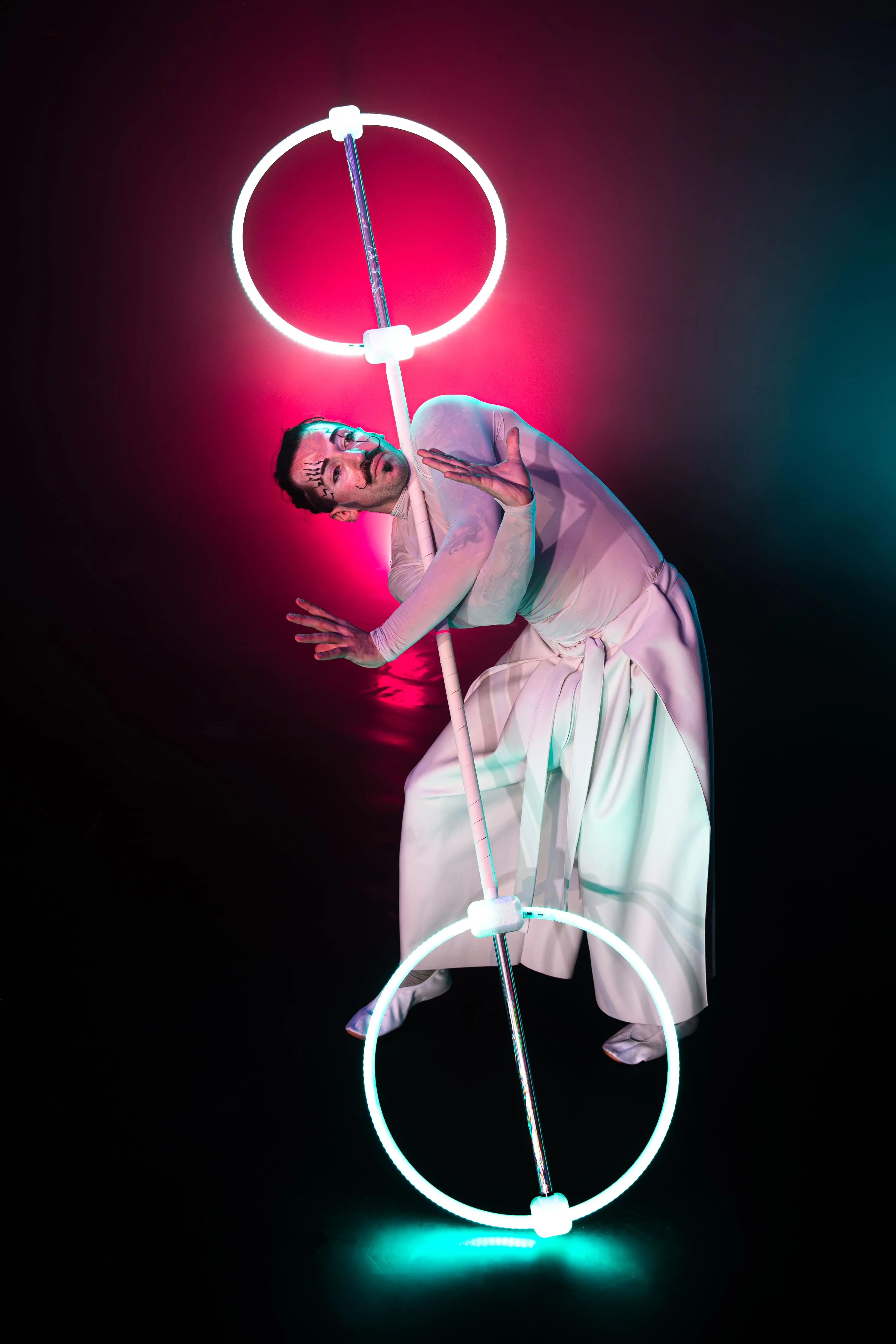
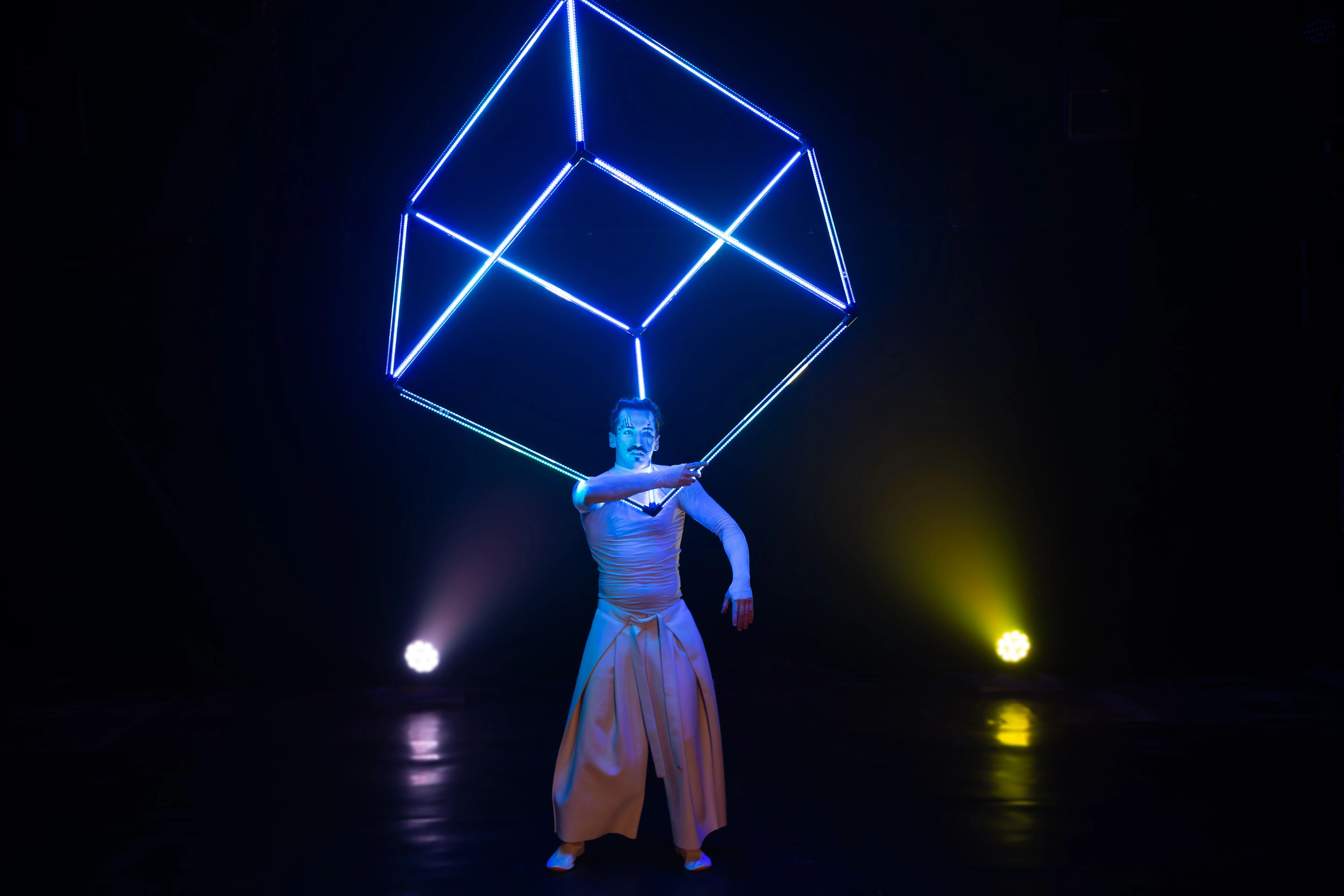
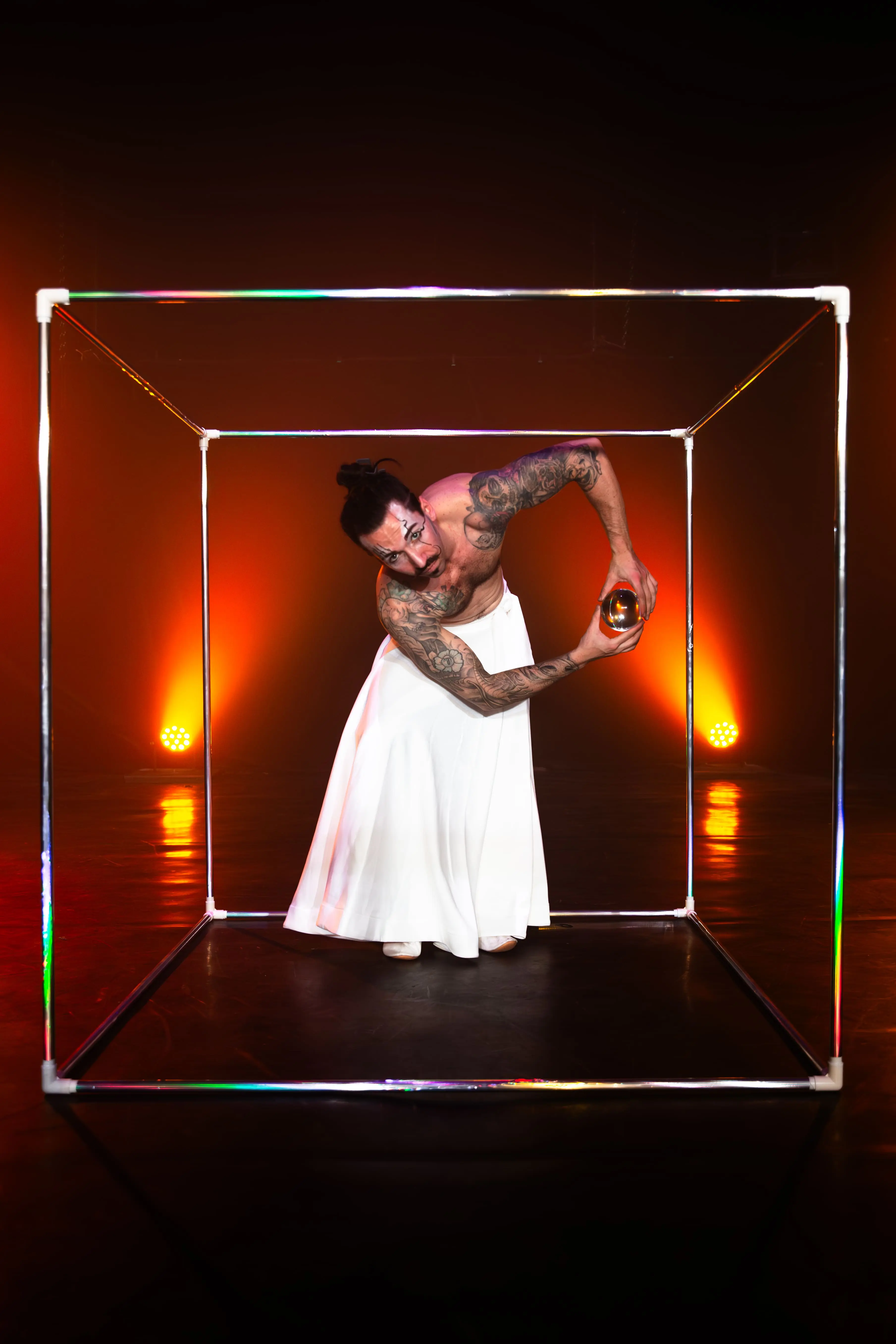
Physical Theatre is a form of theatre where the body becomes the central means of expression.
Instead of dialogue, movement and physical presence take center stage.
The lines between dance, acting, and performance blur.
The human body constantly communicates.
Often even more powerfully than language.
We intuitively recognize:
without a word needing to be spoken.
Many contemporary circus artists use physical theatre to infuse artistic movements with emotional meaning.
This creates more than just a technical performance.
A story unfolds.
Interestingly, physical theatre is often less about perfection.
More important are:
These qualities forge a connection with the audience.
A jump becomes a decision.
A balance becomes an inner conflict.
An encounter becomes a relationship.
This is precisely where the unique power of contemporary circus lies.
People respond to honesty.
Physical Theatre creates moments that feel immediate and human.
This often creates a deeper emotional connection.
In an increasingly digital world, the importance of immediate physical experiences is growing.
Physical Theatre will therefore continue to play an important role in modern performing arts.
Physical Theatre expands the possibilities of contemporary circus by adding a human and emotional layer.
The body becomes language.
And movement becomes meaning.
A form of theatre that focuses on movement and physical presence instead of language.
Because it combines artistic skills with emotion and storytelling.
No. Many productions completely forgo language.