At first glance, classical circus arts and contemporary circus often appear similar. Both utilize exceptional physical abilities, precision, creativity, and years of training. However, a closer look at both art forms reveals fundamental differences in their objectives and impact.
While classical circus arts primarily showcase technical feats, contemporary circus uses the same skills to create stories, imagery, and emotional states.
Classical circus arts evolved over many generations. The focus was on the ability to make the seemingly impossible possible.
Audiences marvel at:
The tension is often created by risk, precision, and technical perfection.
The central question is:
Can the performer master this challenge?
In the 1970s and 1980s, artists worldwide began to explore new avenues.
They wanted to understand circus arts not just as a technical discipline, but to use them as a means of artistic expression.
This gave rise to a new movement:
Contemporary Circus.
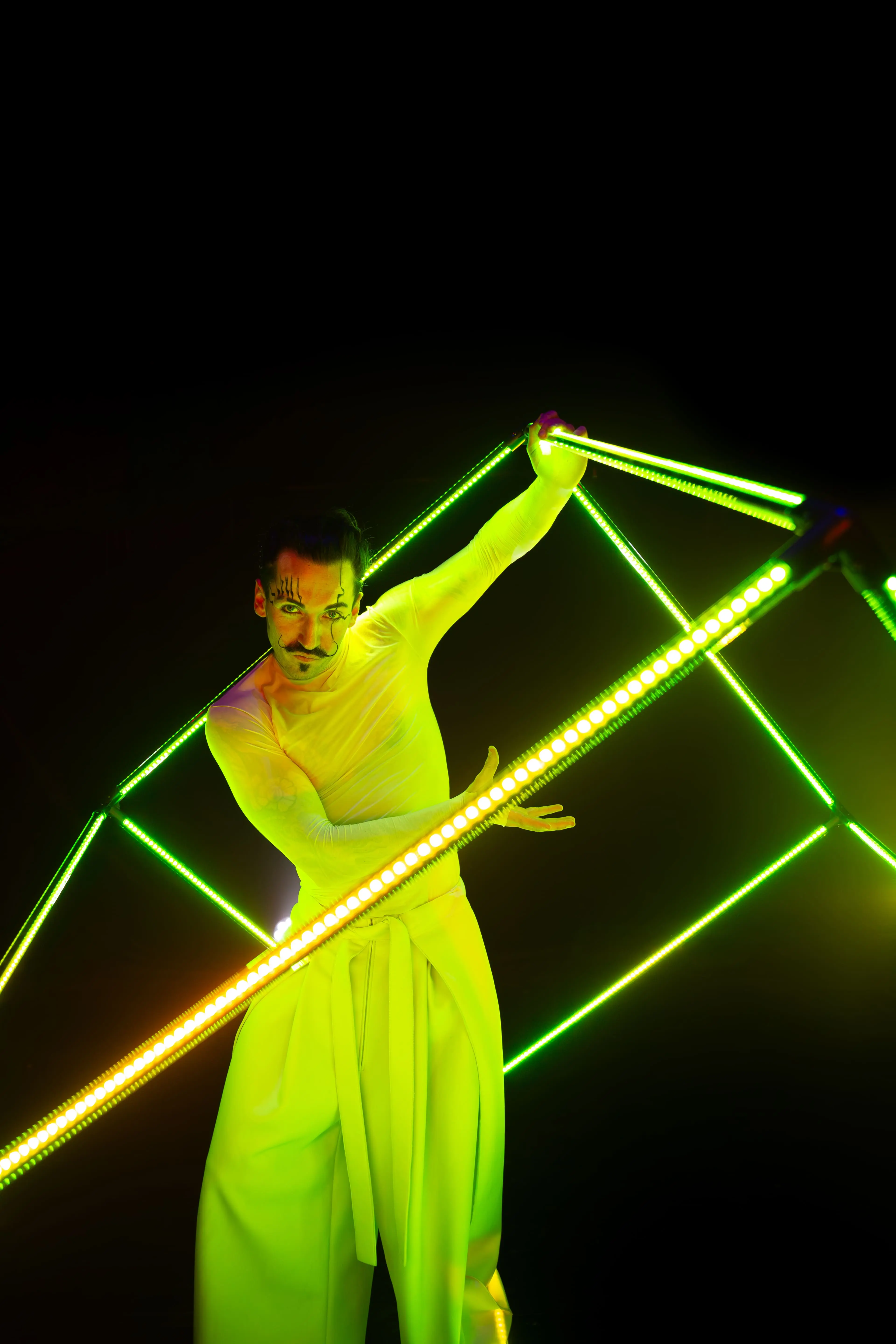
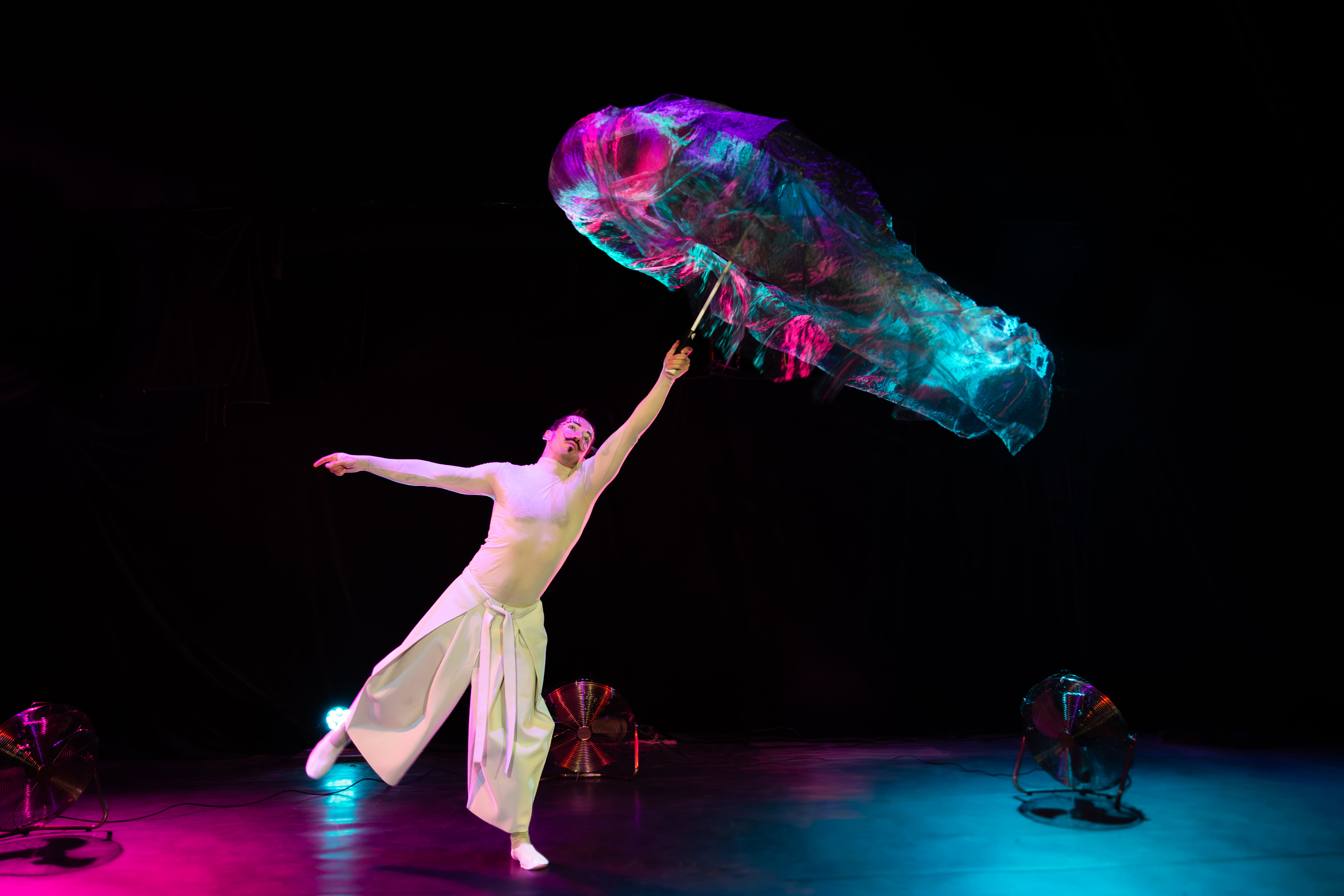
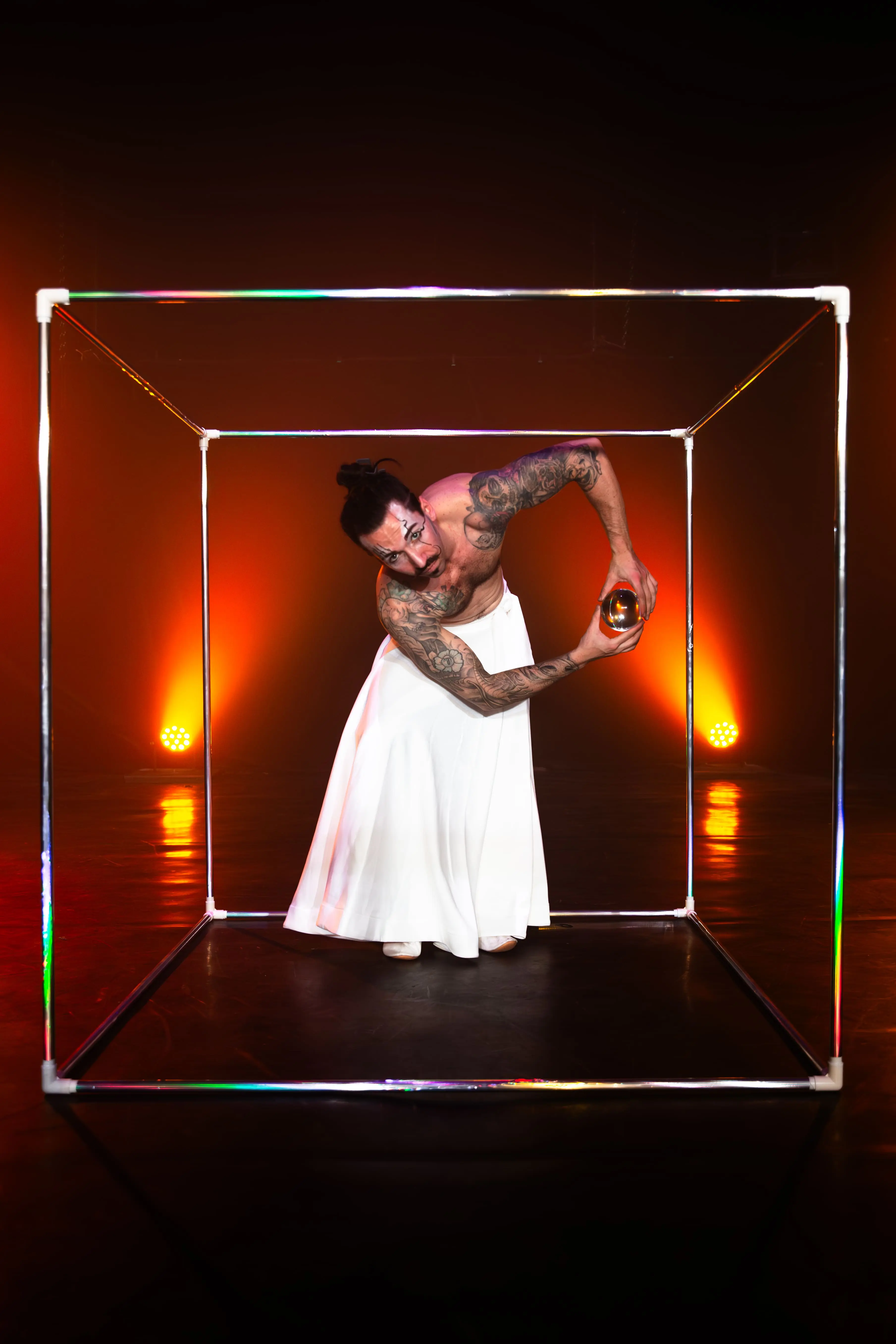
Here, circus arts become part of a larger artistic composition.
Perhaps the most significant difference between the two forms is not in the technique, but in the intention.
Classical acrobatics asks:
How impressive is this feat?
Contemporary Circus asks:
What meaning does this movement carry?
This changes the entire perception of a performance.
In contemporary circus, movements often become a language of their own.
A balance can represent uncertainty.
A fall can symbolize letting go.
A recurring movement can reveal a memory or an inner conflict.
The movement doesn't merely serve for effect, but becomes part of a larger statement.
Another characteristic of Contemporary Circus is its close connection to other art forms.
Elements frequently incorporated include:
into the productions.
This results in stage works that can no longer be clearly assigned to a single category.
It is sometimes assumed that contemporary circus is less demanding than classical acrobatics.
The opposite is often the case.
The technical demands often remain just as high.
Additionally, artists must learn:
Many people today are looking for experiences rather than pure entertainment.
They don't just want to be amazed.
They want to feel, interpret, and discover.
Contemporary Circus offers exactly this opportunity.
Every spectator can find their own meanings and perspectives in a performance.
Companies and event organizers are also increasingly discovering the possibilities of contemporary performance art.
Unlike traditional show acts, it often creates a more intense and lasting experience.
These productions are particularly suitable for:
Traditional acrobatics and contemporary circus do not compete.
They pursue different goals.
Traditional acrobatics impresses with technical mastery.
Contemporary circus builds on these skills by adding emotion, atmosphere, and artistic meaning.
It is precisely this combination that makes it one of the most exciting developments in modern performing arts.
Not necessarily. The technical demands can be similarly high. However, contemporary circus complements them with artistic and dramaturgical aspects.
Yes. Acrobatics remains a central component, but is often embedded in larger artistic concepts.
Because it combines technical virtuosity with emotional depth and visual power.
Yes. Many modern event formats utilize contemporary performances to offer guests a unique experience.